

Is Melanoma Rough to the Touch?
When people notice a new or changing spot on their skin, one of the first things they do is touch it. If something feels different, raised, or rough, it’s a natural warning sign. But relying on texture to identify melanoma is not as reliable as you might think. Melanoma, the most serious form of skin…
Read More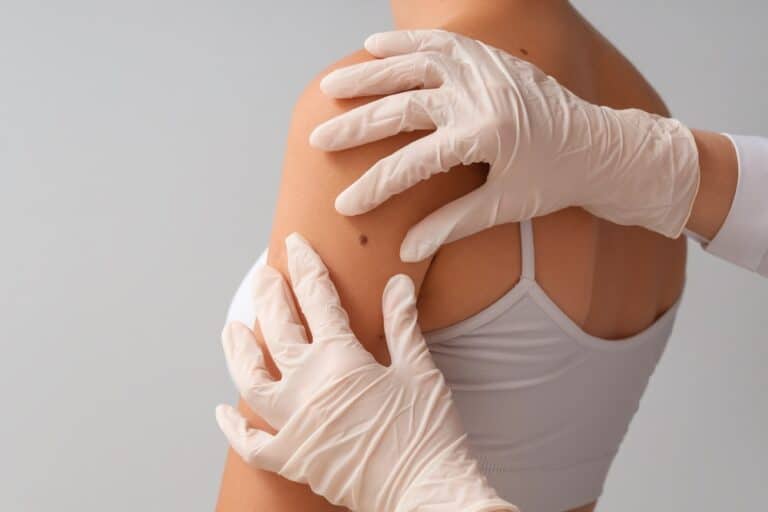
Why Do Some Melanomas Appear in Areas Never Exposed to Sun?
Most of us know that too much sun exposure can lead to melanoma. That’s why we wear sunscreen, seek shade, and try to protect our skin when we’re outside. But here’s something that surprises many people: melanoma can show up in places that have never seen a ray of sunlight. Let’s explore why this happens…
Read More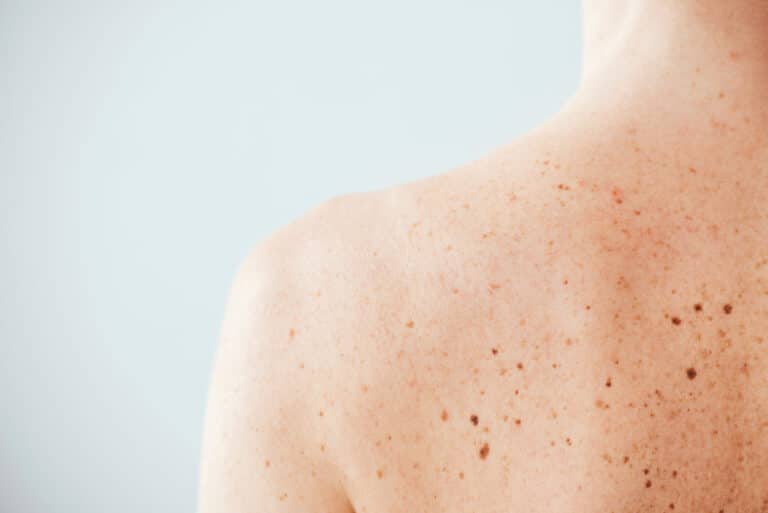
Most Common Questions About Basal Cell Carcinoma
Skin cancer affects millions of Americans each year, with basal cell carcinoma (BCC) being the most frequently diagnosed type. While the term “carcinoma” can sound frightening, basal cell carcinoma is highly treatable when caught early and rarely spreads to other parts of the body. Keep reading to learn more about this common form of skin…
Read More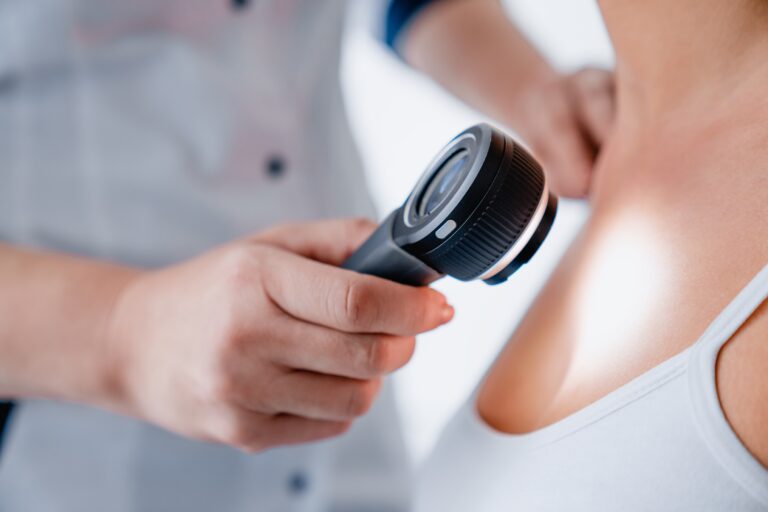
Understanding Your Options for Skin Cancer Reconstruction
After successfully treating skin cancer, many patients find themselves facing a new challenge: the reconstruction and restoration of the treated area. While the primary focus during treatment is eliminating cancerous cells, the resulting wound or surgical site often requires careful consideration to achieve optimal healing and cosmetic outcomes. Keep reading to learn more about skin…
Read More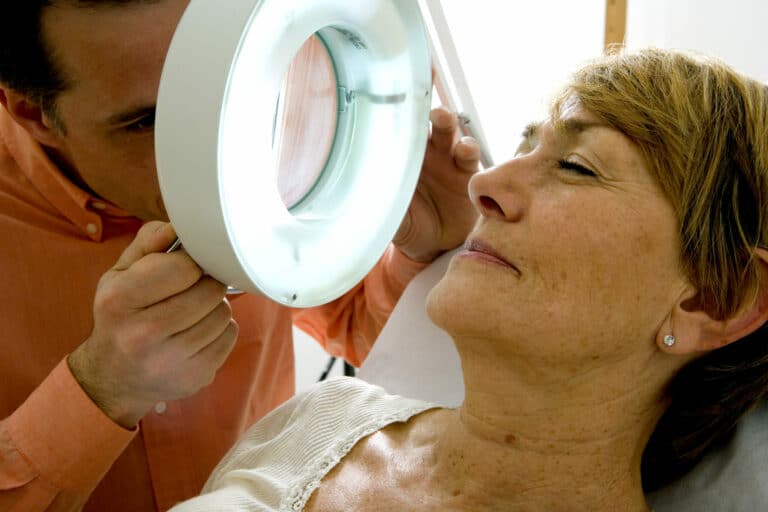
Is Melanoma Genetic?
Melanoma affects thousands of Americans each year and raises important questions about risk factors and prevention. While sun exposure is widely recognized as a significant contributor to melanoma development, many patients wonder about the role genetics plays in their skin cancer risk. Keep reading to learn how the genetic components of melanoma can help identify…
Read More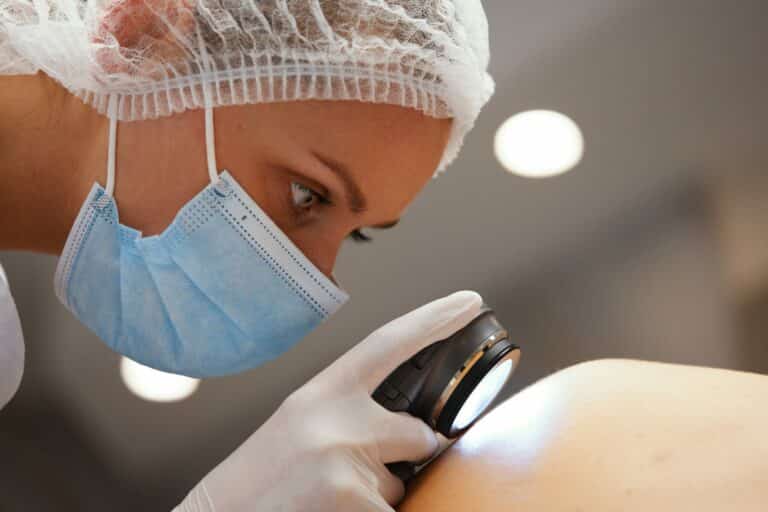
8 Surprising Places People Forget to Apply Sunscreen
Blog,Featured Article,Skin Cancer Treatments
We all know the importance of applying sunscreen to our face, shoulders, and back when heading outdoors. But did you know that many common skin cancer spots develop in areas that most people routinely miss when applying sun protection? Even the most diligent sunscreen users often overlook certain body parts, leaving them vulnerable to harmful…
Read More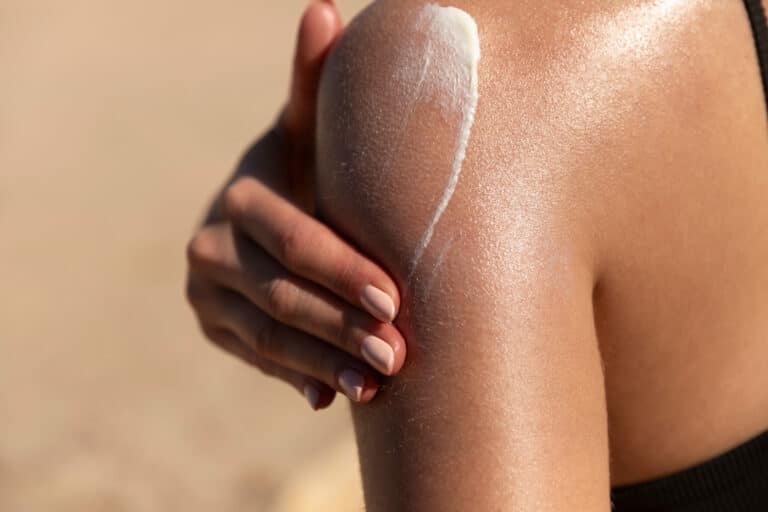
How Mohs Surgery Works to Effectively Treat Skin Cancer
Has your dermatologist recommended Mohs surgery for treating your skin cancer? This highly-specialized surgical technique is something that is often unfamiliar to patients, despite it being the most effective treatment for many common skin cancers. Keep reading to learn how Mohs surgery works and why it’s considered the most effective treatment for many types of…
Read More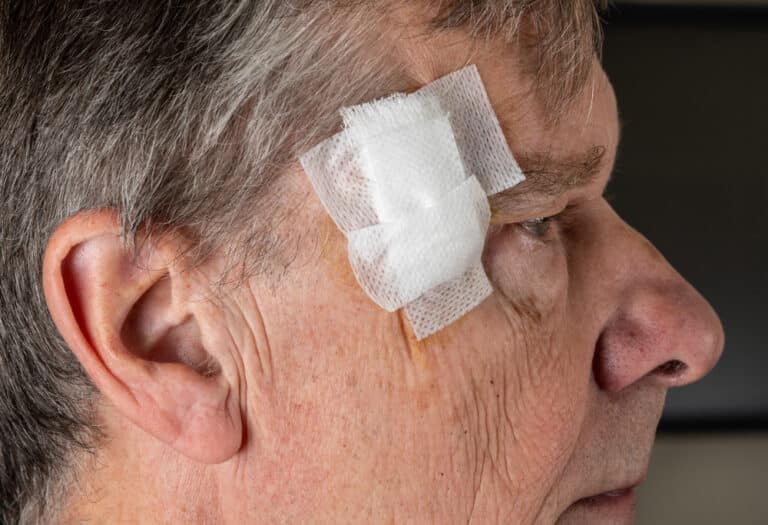
Critical Signs of Skin Cancer You Shouldn’t Ignore
Skin cancer remains one of the most common forms of cancer in the United States, affecting millions of Americans each year. Early detection is crucial for successful treatment, making it essential to recognize the warning signs that might indicate a potentially dangerous skin condition. Understanding what to look for could literally save your life or…
Read More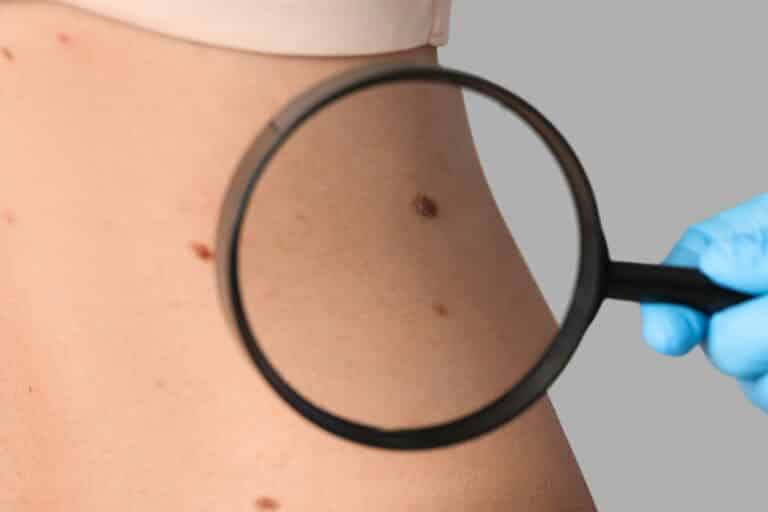
What Does Skin Cancer Look Like Under a Microscope?
While most people are familiar with the visual signs of skin cancer, the microscopic world reveals a fascinating and crucial aspect of diagnosing this disease. Understanding skin cancer at the microscopic level empowers dermatologists like those at Allura Skin & Laser Center to make informed decisions about your care. Keep reading to learn more about…
Read More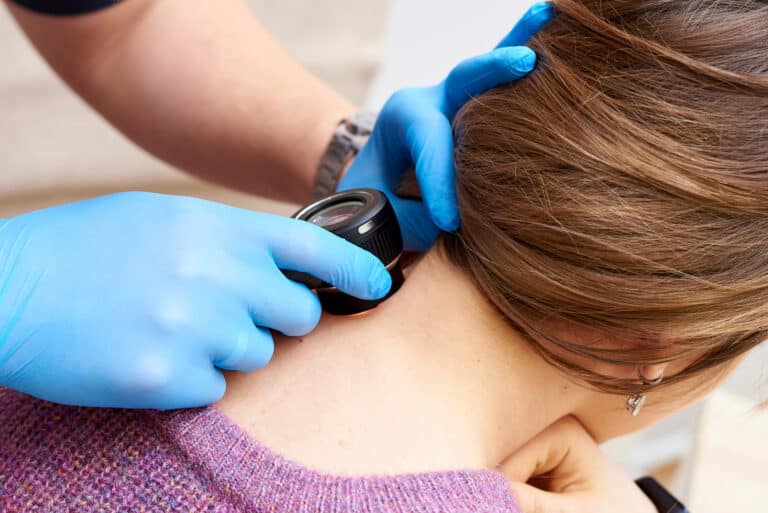
10 Tips for a Smooth Recovery After Mohs Surgery
Mohs surgery is a highly effective technique for removing cancerous skin growths. It involves removing thin layers of tissue one at a time, examining each layer microscopically until all cancerous cells are eliminated. While minimally invasive, Mohs surgery does create a wound that requires careful aftercare for optimal healing. At Allura Skin & Laser Center,…
Read More